A Client Centric Approach Starts With Your Goals, Not Their Toolkit

A client-centric approach means a technology provider starts with your business outcomes, your constraints, and your people, then selects and shapes the technology to fit. The tool comes second. That order is the whole difference, and it’s what separates a partner who solves your problem from a vendor who sells you the product they already have.
You can see the gap in how engagements begin. A technology-led provider opens with a platform demo. A client-centric one opens with questions: What’s slowing your teams down? Where does risk sit today? What does success look like in twelve months, and who has to agree it was reached? The answers drive architecture, delivery cadence, and how progress gets reported.
For IT leaders evaluating providers, the term gets used loosely, and plenty of marketing copy claims it without backing it up. The useful test is whether a provider can show its work: discovery that precedes proposals, delivery shaped around your operating reality, and measurable results from clients in situations like yours.
This article defines the model, contrasts it with technology-led delivery, shows how ISTS applies its Client-Centric Service Approach across its services, and grounds the discussion in case-study evidence. You’ll also get a practical checklist and FAQ for spotting the real thing before you sign.
What a Client-Centric Approach Actually Means in Technology Services
“Customer first” shows up on nearly every vendor website, and it rarely tells you anything. A client-centric approach is more specific. It means the engagement begins with the client’s business outcomes, constraints and tolerance for risk, and the technology is chosen to fit those facts. The sequence matters. A technology-led provider starts with a favorite platform or framework and asks how the client’s problem can be made to match it. A client-centric provider starts with the problem and asks what would genuinely solve it.
In practice, that means asking questions before proposing anything. What result does the business need in the next year? What budget, compliance rules or legacy systems limit the options? How much downtime or data exposure can the organization absorb? The answers shape every later decision, from architecture to support model. Sometimes they lead to a custom build, sometimes to an off-the-shelf product, and occasionally to the conclusion that the client’s existing tools only need better configuration.
This distinction carries extra weight in IT services. A poorly matched marketing campaign can be paused and redone. A poorly matched technology choice tends to stay with you. It affects licensing costs, how easily your team can maintain the system, how well it integrates with what comes next, and how exposed your data is if something fails. Those consequences build up over years, which is why the early decisions deserve the most care.
The real test of a client-centric approach is whether the provider can explain why a recommendation suits your situation specifically, including the trade-offs and the options they decided against. If the reasoning always leads back to the same product line, the focus is on the toolkit and not on you.
Technology-Led vs. Client-Led Engagements: Where the Differences Show Up

The difference between the two models rarely shows up in the sales pitch. It shows up weeks later, when the first requirement changes or the first invoice lands. In a technology-led engagement, the provider’s preferred stack is the starting point and the project is shaped around it. In a client-led engagement, the business problem comes first and the tools are chosen to serve it.
| Stage | Technology-led | Client-led |
|---|---|---|
| Requirements gathering | Feature checklist built around the vendor’s product | Business goals, constraints and risk tolerance defined first |
| Technology selection | Provider’s default platform | Options compared against the client’s actual needs |
| Communication cadence | Status updates at milestones | Regular working sessions with client stakeholders |
| Scope changes | Treated as billable exceptions | Expected, and weighed against the original goals |
| Post-delivery support | Handoff, then a separate support contract | Ongoing review and optimization tied to outcomes |
The cost and risk consequences follow from these habits. A technology-led project can look cheaper at signing, but a mismatched platform tends to surface later as rework, workarounds or a costly migration. Late scope changes get expensive when the original requirements were written around the product rather than the problem.
Client-led delivery asks for more upfront effort, mainly in discovery and stakeholder time. That investment tends to pay back by catching misfit decisions while they are still cheap to fix. For a decision-maker, the useful test is simple: ask how a provider would handle a requirement that changes halfway through. The answer reveals which model you are buying.
How ISTS Puts the Client-Centric Service Approach into Practice
Discovery That Starts With Business Problems, Not Software Specs
Discovery at ISTS begins with listening, not proposing. Before anyone mentions a platform, a language or a dashboard tool, the team sits down with the people who live with the problem every day. That usually means a mix of stakeholder interviews, working sessions with end users, and a close look at the systems already in place, including the awkward spreadsheets and workarounds that never made it into any documentation.
The questions stay focused on the business. What decision is slow or unreliable today? Who waits on whom? What does a bad week cost, in time, money or risk? Which systems must keep running no matter what, and where does your team already have strong preferences? Asking about constraints early, such as budget windows, compliance duties and internal skills, prevents surprises later.
This matters most in data analytics and custom development. An analytics project built before anyone agrees on which decisions the data should support tends to produce impressive reports that nobody uses. A custom application scoped from a feature list, rather than from how people actually work, often reproduces the old process in new code. Clear discovery also feeds the documentation that keeps delivery consistent, and a well-defined SOP in software development is far easier to write once the real problem is understood.
The result of discovery is a shared problem statement the client has confirmed. Only then does solution design begin.
Building Security and Reliability Into the Plan From Day One
In a client-centric engagement, security is a requirement that shapes the design from the first planning conversation, not a layer bolted on before launch. That applies equally to a custom application, a cloud migration and an ongoing managed IT support contract.
The work starts with a risk assessment grounded in the client’s actual situation. What data does the business hold, and how sensitive is it? Customer records, financial data and health information each carry different obligations. Which regulations apply, and what do auditors expect to see? Then there’s operational tolerance. A retailer can sometimes absorb an hour of downtime on a quiet Tuesday. A logistics operation or a hospital often can’t.
Those answers drive concrete decisions: how environments are segmented, how access is controlled, how backups are structured, and how quickly the team needs to detect and respond to an incident. A cloud configuration built for a regulated healthcare client should look different from one built for an internal reporting tool, even when the underlying platform is the same.
Reliability follows the same logic. Uptime targets, recovery times and monitoring thresholds are agreed up front, so managed IT support later works from the client’s stated tolerances rather than generic defaults.
Staying Involved After Launch
Launch day is a milestone, not the finish line. In a client-centric engagement, the relationship keeps working toward the outcomes that justified the project in the first place, and that’s where managed IT support earns its place.
The ongoing work usually rests on three habits. First, regular reviews. Scheduled check-ins give your team a place to raise what’s working, what’s frustrating users and what has shifted in the business since the last conversation. Priorities change, and the support plan should change with them.
Second, performance monitoring. Tracking uptime, response times, security alerts and system usage turns gut feeling into evidence. When a trend appears, such as a slow report or a spike in tickets, it gets addressed before it becomes an outage or a complaint.
Third, planning for what’s next. Growth, new compliance requirements and aging infrastructure all create future needs. Raising them early lets you budget and sequence the work instead of reacting under pressure.
This continuity depends on people who understand both the systems and the reasons behind them. Strong DevOps and support practices keep releases, fixes and improvements moving without disrupting daily operations. The goal stays the same as it was in discovery: technology that keeps serving your business as it evolves.
What Client-Centric Delivery Looks Like in Real Projects
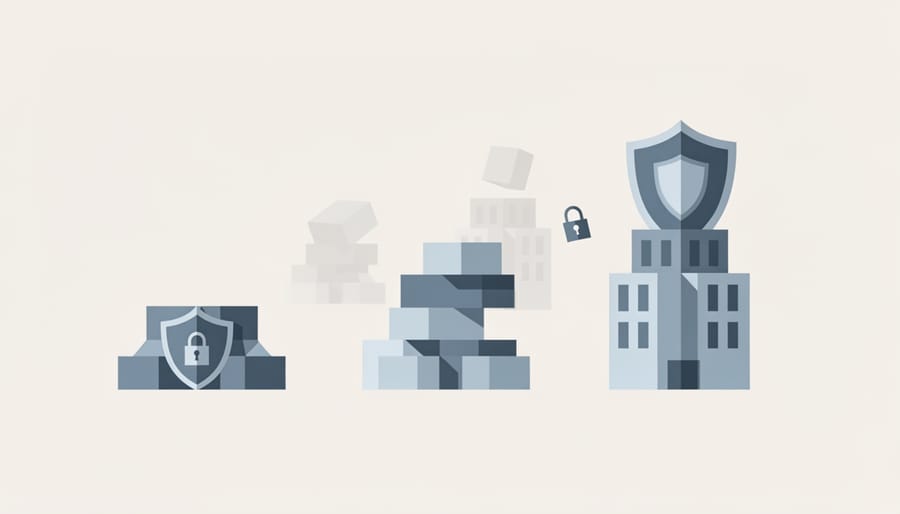
A case study earns its place only if it shows where the client’s input changed the work. So here is a framework for reading any engagement, and what to look for when you review ISTS’s published projects.
Start with the challenge. A client-centric write-up describes the business problem, not the software category. A manual reporting process that slows decisions is a business problem. “We need a dashboard” is a feature request. The difference matters because the first leaves room for the best solution, and the second locks in an answer before anyone has tested it.
Next comes the approach. This is where discovery shows up on the page: who was interviewed, which existing systems were reviewed, and which constraints surfaced early, such as budget limits, compliance duties or a small internal team. The strongest case studies name at least one moment where the plan changed because of what the client said. That change of direction is the clearest evidence that listening shaped the project.
Then the solution. Here you want to see technology chosen to fit the constraints already identified. If the build uses a client’s existing platform instead of a new one, or if the scope is phased to match the client’s capacity to absorb change, that is a client-led decision in action.
Finally, the result. Where ISTS has published specific metrics, treat them as the evidence they are. Where it hasn’t, the result is better described through the problem solved and the decisions made. A result like “the team now works from one trusted data source” tells you more than an invented percentage ever could. We won’t add figures that aren’t documented, and you should be wary of any provider that does.
A client-centric project is one where you can point to a decision that went the client’s way, even when it wasn’t the vendor’s preferred route.
That test is easy to apply. Read an ISTS case study, then ask three questions. What did the client know that the provider didn’t at the start? What changed in the plan after that conversation? Who owns the outcome now that the work is live? A case study that answers all three is describing collaboration. One that skips them is describing delivery.
This is also why client success stories carry so much weight in this model. They show the process working under real constraints, which a service description cannot do. When you evaluate ISTS or any other provider, read the stories for the decisions, and let the polished outcome statements matter less.
How to Tell Whether a Provider Is Truly Client-Centric
Marketing language makes every vendor sound client-centric, so the useful test is evidence. When you choose a provider look for behaviors that are hard to fake in a sales cycle.
Start with references and case studies. Ask for clients whose problems resemble yours, then speak with them directly. A client-centric provider can describe what changed because of client input, not just what was delivered. If every case study reads like the same solution with a different logo, the provider is likely fitting problems to a preferred toolkit.
Next, test their willingness to recommend options outside their own stack. Ask a direct question: “When would you tell us not to use your preferred platform?” A provider who answers with specifics, and who has actually steered a client elsewhere, is working from your goals. One who can’t answer is probably selling inventory.
Pay attention to how they handle trade-offs. Every architecture, timeline and budget involves compromises. Strong partners lay out the costs of each path, including the ones that make their proposal look less impressive. Vague reassurance is a warning sign.
Check escalation and accountability before you sign. You should be able to see who owns your account, how problems move up the chain, and how quickly you will hear back when something breaks. Ask how success is measured after launch and who is answerable if those measures aren’t met.
A simple scorecard can help your team compare vendors consistently:
– Relevant references you can contact
– Evidence of recommending alternatives
– Candid discussion of trade-offs
– Named escalation path and response expectations
– Outcome-based measures, not just deliverables
The provider who welcomes these questions is usually the one worth talking to.
Common Questions About Client-Centric IT Services
Decision-makers weighing this model tend to ask the same practical questions, and the honest answers include a few trade-offs. Because fit matters as much as capability, many of the same questions come up when evaluating any partner, from IT services to B2B branding.
Does a client-centric approach cost more?
Not necessarily. It often shifts spending toward discovery and planning, which can reduce rework and mismatched tooling later. Your total cost depends on scope and complexity, so ask any provider to explain where the budget goes.
How does it affect project timelines?
Early discovery can make the start feel slower, since the problem is defined before solutions are proposed. That time is usually recovered when fewer change requests and corrections come up during delivery.
How much time does my team need to invest?
More than in a hands-off engagement. Expect to join stakeholder interviews, review plans, and give timely feedback, because the approach depends on your input to stay aligned with your goals.
Is it a good fit for smaller internal teams?
It can be, particularly when you lack in-house depth and want a partner who explains trade-offs clearly. The main constraint is capacity: even a small team needs a named contact who can make decisions and respond promptly.
None of these answers is a reason to avoid the model. They are reasons to go in prepared. A client-centric engagement asks you to be an active participant, and the payoff is a solution built around your actual constraints rather than a vendor’s preferred toolkit.
The strongest technology outcomes share one trait: the work started with the client’s goals, and the tools came second. When a provider begins with the business problem, the risk tolerance and the constraints your team actually works within, the choices that follow (platform, architecture, security posture, support model) tend to fit and hold up over time.
That is the idea behind the Client-Centric Service Approach ISTS applies across custom software development, data analytics, cybersecurity, cloud services and managed IT support. It is a working method, not a slogan. It shapes how discovery is run, how trade-offs are explained and how the relationship continues after launch.
If you’re weighing providers, use the questions in this article as your yardstick. A good next step is to read through ISTS’s published case studies and see how client input shaped each project. If a specific challenge is already on your desk, a short conversation about it costs nothing and will quickly show whether this approach suits your team.
Leave a Reply