What Is Enterprise-Grade Server Infrastructure for Minecraft? (And How Does It Eliminate Lag)

Enterprise-grade server infrastructure for Minecraft describes a hosting approach built around clear resource planning, resilience, observability, and support. Capacity and responsiveness depend on the host, configuration, location, software, and the way a community uses its server. when comparing different Minecraft servers, players can look for clear information about the game mode, rules, region, version, and community they expect to join.
This guide explains the questions to ask when a Minecraft community needs a more deliberate infrastructure plan. It does not promise a particular performance result, capacity level, response time, or outcome for a particular configuration.
What Enterprise-Grade Server Infrastructure Means

Enterprise infrastructure is a planning model rather than a fixed product. It usually brings the server, network, storage, monitoring, backup, and support arrangements into one documented operating plan. The useful question is not whether a label appears in a plan name; it is whether the provider can explain what resources are reserved, how incidents are handled, and what the written service terms cover.
For Minecraft, the most relevant considerations are the server software and mods in use, expected patterns of play, the location of players, world-management practices, and the ability to investigate a problem when it occurs. Providers should state their commitments in their own service documentation rather than relying on broad marketing language.
How Infrastructure Can Support a Minecraft Server
Infrastructure does not make every Minecraft deployment behave the same way. It can, however, give administrators clearer control over the resources available to a server and the information used to diagnose trouble. A sound plan separates questions about compute, memory, storage, network paths, backups, and operational support so that an issue in one area is not described as proof about another.
Compute and memory
Minecraft server performance depends on the software version, configuration, plugins or mods, world activity, and the underlying system. Before choosing hardware, administrators should document their workload and test the actual configuration they intend to run. A provider can then explain the processor, memory allocation, and isolation model it is offering, along with any limits that apply.
Error-correcting memory, reserved resources, and thermal design may be relevant features for a deployment, but their value depends on the chosen hardware and service design. They should be assessed against the provider’s specification and the community’s own needs rather than treated as a universal promise.
Network design and protection

Player experience is affected by the route between a player and a server. Server location, peering, congestion, local access conditions, and the application itself can all contribute. A provider should be able to describe its network footprint, support process, and protections in terms that can be reviewed before a commitment is made.
DDoS protection and rate controls are also implementation-specific. Ask how traffic is assessed, what events are covered, where mitigation occurs, and how the provider communicates during an incident. For broader security planning, see bulletproof security principles as a starting point for discussing layered controls.
Storage and world data
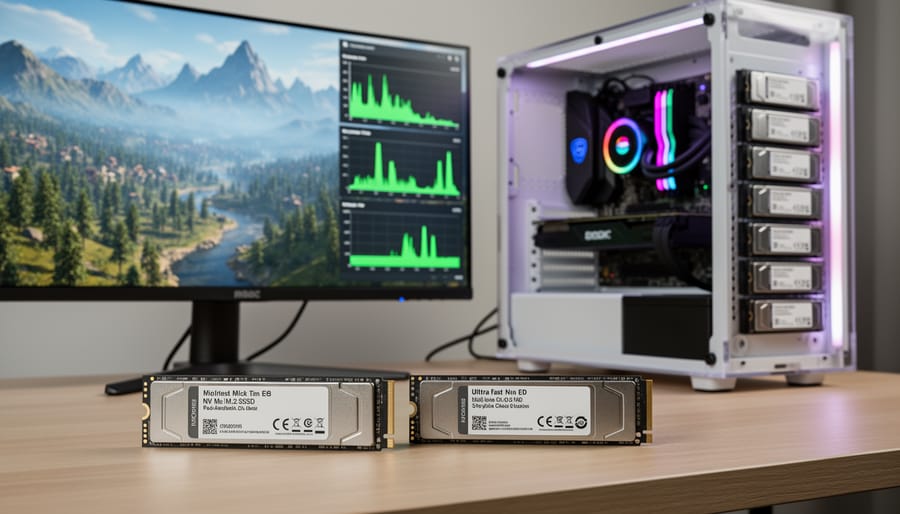
World data, logs, backups, and server activity place different demands on storage. Administrators should ask how storage is provisioned, what backup and restore options exist, how data integrity is checked, and what maintenance windows or limits apply. A hardware label alone does not establish how a particular server will behave.
Core Components of a Practical Operating Plan
Resource planning
Begin with the actual server software, the expected community activity, the mods or plugins in scope, and the operational tasks required to maintain the world. Test changes in an appropriate environment where possible, record the result, and avoid treating a result from one setup as a general rule for every other setup.
Monitoring and management
Monitoring is useful when it answers a defined operational question: what changed, where it changed, and who should investigate it. Teams can select measures that fit their environment and set alerting rules they understand. Managed IT services and operations software may help organize those responsibilities, but the service scope should be confirmed with the provider.
Backups should be designed around the data that matters, the recovery process, and the responsibility for confirming that a restoration works. Recovery and security controls should be documented together; ransomware defense planning is one relevant part of that conversation.
Incident response
A useful incident process names the people who receive an alert, the information they need, the escalation route, and the way an outcome is recorded. Ask providers how they communicate during an incident and which responsibilities remain with the community or its administrators.
When to Reassess a Hosting Arrangement
A community may need to reassess its arrangement when changes in usage, software, world-management needs, security requirements, or support expectations make the current plan difficult to operate. The assessment should begin with observed issues and documented requirements, not with an assumed conclusion about a product tier.
Educational communities, creators, competitive groups, and commercial projects can have different operational needs. Each should identify its own expectations for availability, data handling, support, location, and change management. IT security awareness is one part of identifying those responsibilities. A provider’s written terms, technical documentation, and response process are more useful evidence than an unqualified capability claim.
Comparing Hosting Options
Compare providers on the service they actually offer: resource model, support scope, data handling, maintenance process, recovery options, network design, and contract terms. Request documentation that relates to the intended configuration, and ask which assumptions underlie any estimate or recommendation.
Cost should be evaluated alongside operational responsibilities. Teams should account for administration time, the consequences of an outage for their own community, and the work required to test changes or recover data. For organizations building a public community, business marketing considerations may sit alongside these operational choices, but they do not establish a technical outcome.
Planning the Next Step

Start by documenting the current configuration, the issues users report, the change process, and the outcomes the community needs to protect. Use that record to ask providers focused questions and to compare written proposals. Do not represent a hypothetical deployment as a client engagement, a tested configuration, or a guaranteed result.
How should stakeholders evaluate a hosting proposal?
Review the written service terms, resource model, support scope, recovery process, security responsibilities, and assumptions behind any recommendation. Relate the proposal to the community’s documented requirements.
How should a migration be planned?
Migration planning depends on the world, configuration, integrations, and provider process. Define the data to move, a test approach, rollback responsibilities, communications, and verification steps before making a change.
What should administrators monitor?
Choose measures that help the team understand its own server, player experience, storage, and incident history. Document the thresholds and escalation process that the team will actually use.
What distinguishes one provider from another?
Compare written commitments, technical documentation, support responsibilities, security practices, recovery options, and the assumptions behind any capacity or performance statement.
Infrastructure decisions are strongest when they are based on a community’s documented needs and on evidence the provider can clearly attribute. Review the proposal, test where appropriate, and make a decision that fits the actual environment rather than a generic promise.
Leave a Reply